

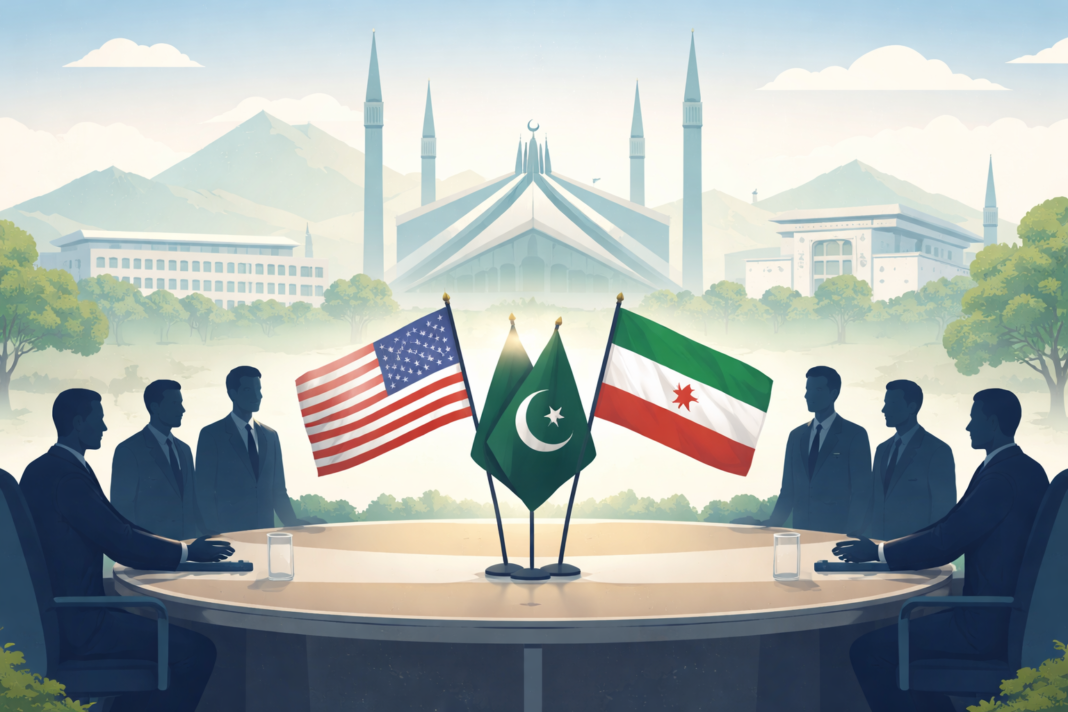
Pakistan is once again emerging as a key diplomatic bridge in global peace efforts, as U.S. President Donald Trump has indicated that stalled negotiations between Washington and Tehran could restart within the next two days in Islamabad.
Speaking after the latest round of high-stakes talks, Trump said the United States is now “more inclined” to return to Pakistan, praising Islamabad’s role in hosting and facilitating dialogue. He specifically commended Pakistan’s leadership for helping keep communication channels open at a tense moment in regional diplomacy.
No Deal Yet — But Talks Are Still Alive
The first round of direct U.S.-Iran negotiations in Islamabad ended Sunday without a formal agreement, after nearly 21 hours of discussion. While both delegations left the Pakistani capital without signing a deal, neither side closed the door on future talks — an encouraging sign as the April 22 ceasefire deadline approaches.
The negotiations focused on critical issues including Iran’s nuclear program, sanctions relief, regional security guarantees, and stability in the Strait of Hormuz. Major differences remain unresolved, but diplomatic momentum has not collapsed.
Pakistan Steps Up Regional Mediation Role
Pakistan is now actively coordinating with Turkey and Egypt to bring both parties back to the table before the ceasefire expires.
This renewed mediation effort highlights Pakistan’s growing international diplomatic relevance. Islamabad’s ability to host both rivals for face-to-face talks marks a notable foreign policy achievement, especially amid rising geopolitical tensions in the Middle East.
Officials in Islamabad are hopeful that a second round of talks could produce progress if both sides return with greater flexibility.
Why Pakistan Matters Here
Trump’s positive remarks underline Pakistan’s importance as a neutral diplomatic venue. Islamabad has increasingly positioned itself as a trusted mediator capable of engaging multiple regional and global powers.
For Pakistan, this moment is more than symbolic — it reinforces the country’s image as a constructive peacemaker on the world stage.
The Clock Is Ticking Toward April 22
With the ceasefire deadline now just days away, urgency is mounting. If talks resume quickly in Islamabad, Pakistan could help shape one of the most consequential diplomatic breakthroughs of the year.
For now, the absence of a deal is not being seen as failure — but as a pause in a negotiation process that still holds promise.