

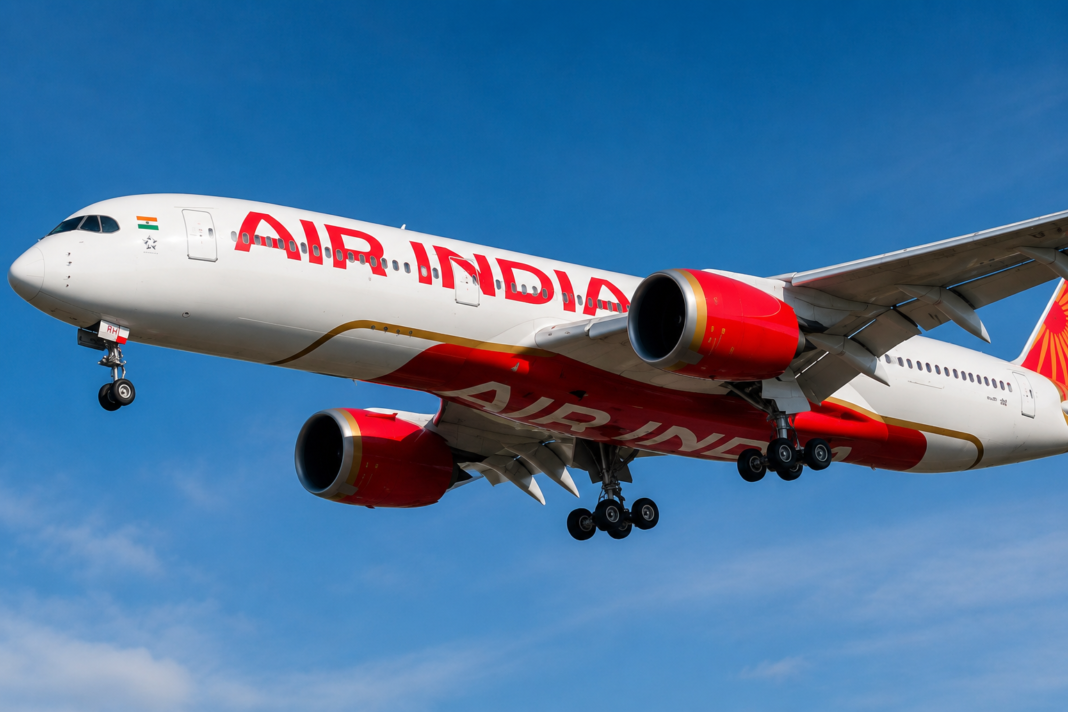
Air India is facing one of the toughest financial periods in its recent history after posting a massive $2.8 billion loss, highlighting the growing pressure on airlines operating across South Asia and the Middle East.
The airline’s financial troubles come as multiple regional challenges continue to disrupt operations, including Pakistan’s airspace closure, ongoing tensions in the Middle East, and rising global fuel prices.
The losses mark a significant setback for Air India as the carrier works toward rebuilding and modernizing its operations under its current expansion plans.
Airspace Restrictions Continue to Hurt Operations
One of the biggest challenges impacting Air India has been the continued closure and restrictions involving Pakistani airspace. The situation has forced several Indian airlines to reroute flights, leading to longer travel times, increased fuel consumption, and higher operational costs.
For international routes connecting India with Europe, North America, and parts of the Middle East, these diversions have become increasingly expensive.
The airline is also dealing with uncertainty caused by geopolitical tensions in the Middle East, a region that serves as a key transit and aviation hub for global carriers.
Rising Fuel Costs Add More Pressure
Like many airlines worldwide, Air India is also struggling with rising aviation fuel prices. Fuel remains one of the largest operational expenses for airlines, and fluctuating oil markets have added further pressure on profitability.
Combined with route disruptions and operational delays, the higher fuel costs have significantly impacted the airline’s bottom line.
International Flights Reduced
In response to mounting financial strain, Air India has reportedly reduced several international flight operations. The airline is expected to continue reviewing routes and schedules in an effort to control costs and improve efficiency.
Despite the losses, the company remains focused on its long-term transformation plans, including fleet modernization, improved customer service, and expanding global connectivity.
Industry experts believe the aviation sector could stabilize once regional tensions ease and fuel prices become more manageable. Until then, airlines across the region may continue facing financial uncertainty.
For passengers, the changes may result in altered schedules, longer routes, and limited availability on some international flights in the coming months.