
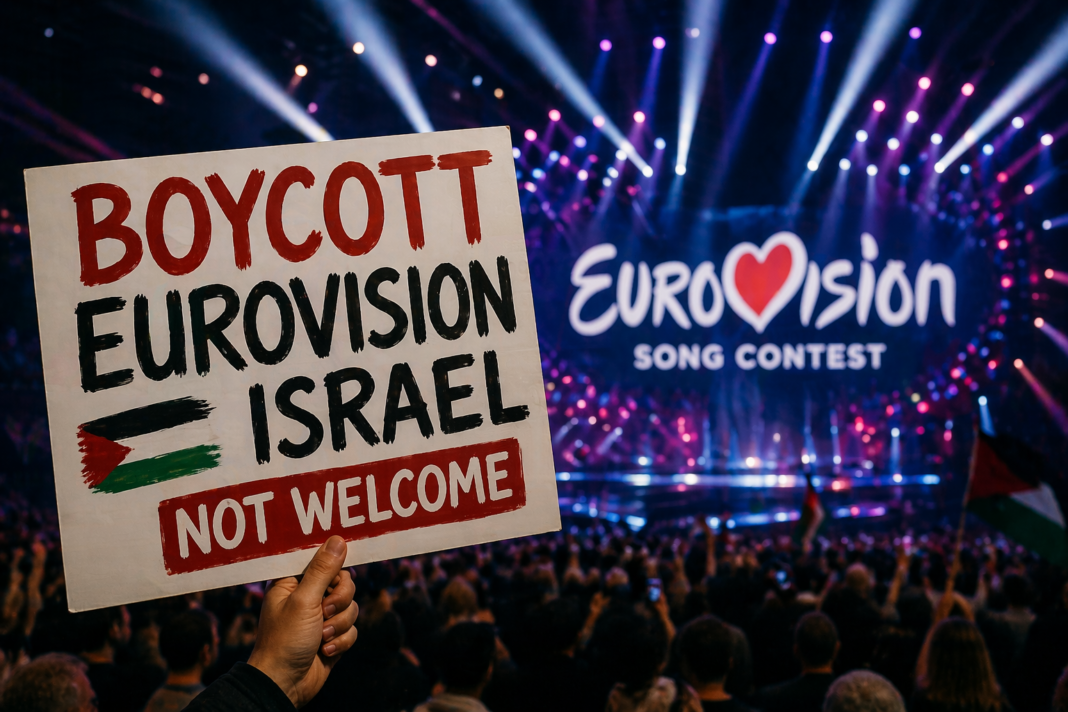
A wave of voices from the global creative community is calling for change. More than 1,000 artists have signed an open letter urging a boycott of the Eurovision Song Contest over Israel’s participation—sparking fresh debate around music, politics, and global responsibility.
🎤 A Call That’s Getting Louder
The letter, signed by musicians, performers, and industry professionals, calls on broadcasters and participants to reconsider involvement in Eurovision this year. The artists argue that allowing Israel to compete, amid the ongoing humanitarian crisis in Gaza, raises serious ethical concerns.
This isn’t the first time Eurovision has found itself at the center of political tension—but the scale of this response is notable. With over a thousand signatories, the message reflects a growing movement within the arts community to align cultural platforms with humanitarian values.
🌍 Where Music Meets Politics
Eurovision has long branded itself as a celebration of unity through music. However, critics argue that the event cannot remain neutral when global conflicts dominate headlines.
Supporters of the boycott say participation risks normalizing or overlooking ongoing suffering, while others believe Eurovision should remain apolitical—a space where artists connect beyond borders.
This divide highlights a larger question:
Can global cultural events truly stay separate from world events anymore?
⚖️ Organizers Stand Their Ground
Eurovision organizers have so far maintained their stance, allowing Israel to participate in line with existing rules. They emphasize that the competition is between broadcasters—not governments—and is meant to remain inclusive.
Still, pressure continues to build, especially on participating countries and artists who now face increasing scrutiny over their involvement.
💬 Artists, Influence, and Responsibility
What makes this moment significant is not just the number of artists speaking out—but the broader shift it represents.
Today’s artists are no longer just entertainers. They are influential voices shaping public conversation. Whether through music, social media, or activism, their platforms carry weight—and many are choosing to use it.
🌟 A Turning Point for Cultural Events?
This situation could mark a turning point for how global events like Eurovision are perceived. Audiences are becoming more aware, more vocal, and more engaged with the values behind the entertainment they consume.
For now, Eurovision continues—but the conversation around it has undeniably changed.