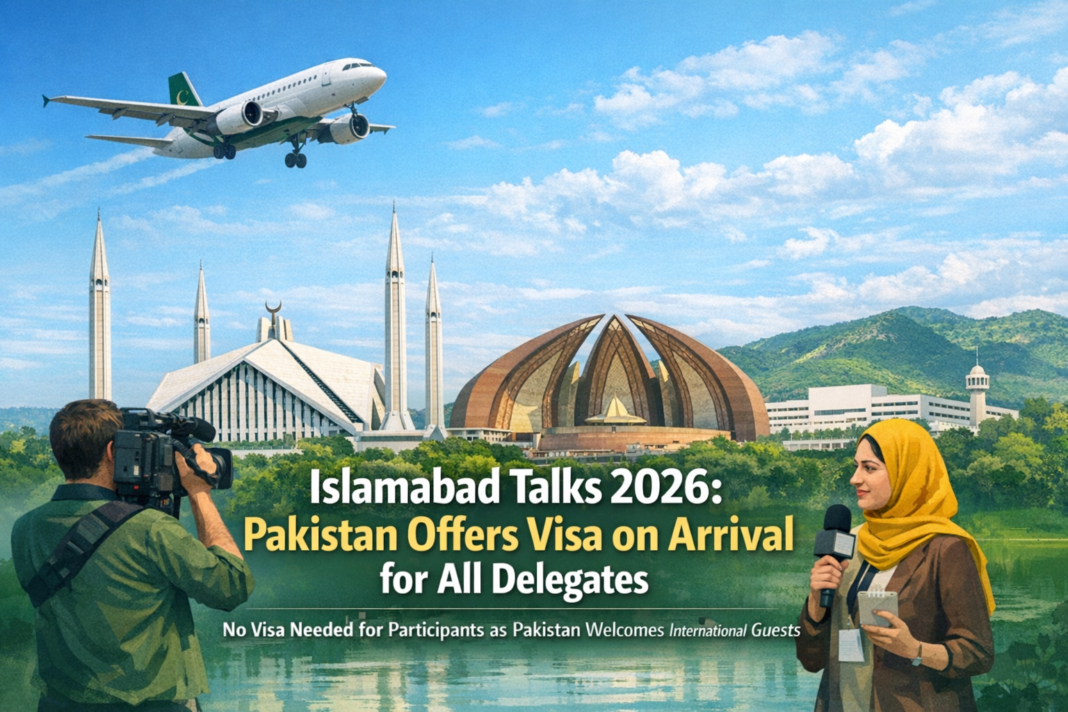

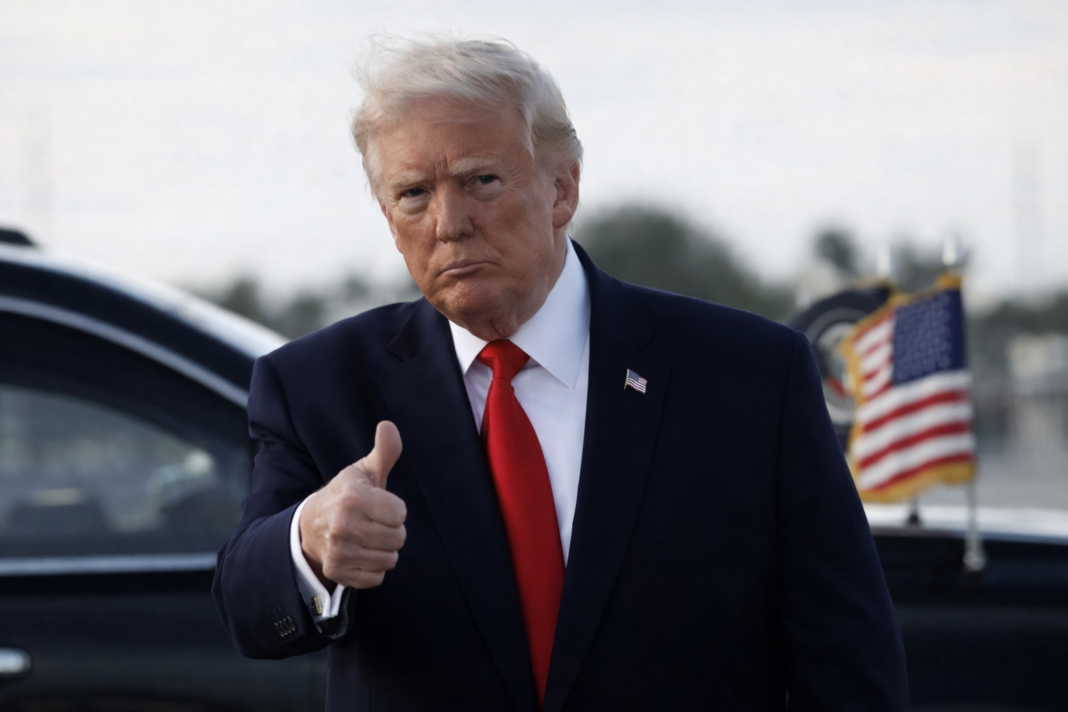
U.S. President Donald Trump has publicly thanked Pakistan for hosting critical diplomatic talks between Washington and Tehran in Islamabad, even as those negotiations ended without a breakthrough and triggered a major escalation in the Gulf.
The 21-hour Islamabad talks, mediated by Pakistan, brought senior American and Iranian officials together in a rare direct diplomatic engagement aimed at stabilizing the Iran conflict and reopening the Strait of Hormuz. However, the talks concluded without agreement, with U.S. officials saying Iran rejected Washington’s final proposal.
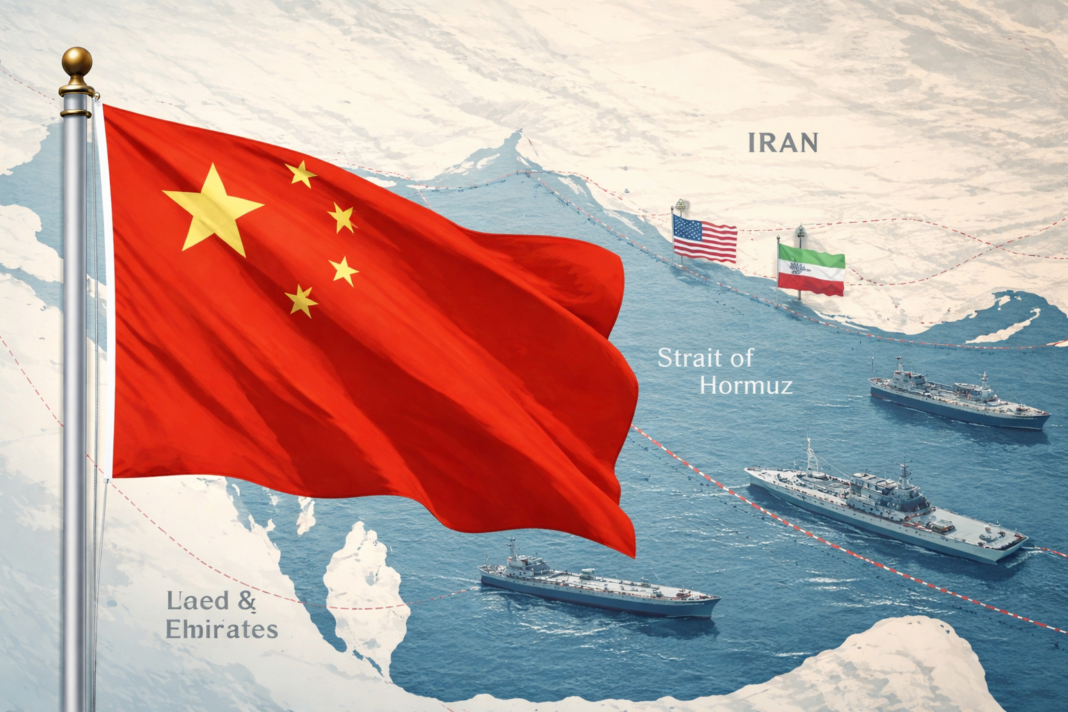
Following the collapse of negotiations, Trump announced that the U.S. Navy would begin enforcing a naval blockade targeting maritime traffic linked to Iranian ports and vessels paying tolls to Tehran in the Strait of Hormuz — one of the world’s most strategically vital oil chokepoints. Reuters reports the blockade officially began Monday and applies to ships entering and leaving Iranian coastal areas, though neutral transit to non-Iranian ports remains permitted.
Pakistan’s Diplomatic Role Draws Global Attention
Trump’s acknowledgment of Pakistan highlights Islamabad’s growing diplomatic relevance in regional crisis mediation. Pakistan hosted both delegations in Islamabad and played a central facilitator role in trying to preserve the fragile ceasefire between the U.S. and Iran.
Despite the failed outcome, Pakistan’s hosting of the talks has been seen internationally as a significant diplomatic effort, reinforcing its position as a bridge-builder during one of the region’s most volatile crises.
Hormuz Blockade Raises Global Stakes
The Strait of Hormuz carries a major share of global oil exports, and the U.S. naval move has already rattled international energy markets. Analysts warn that any prolonged disruption could sharply affect oil prices and global shipping routes.
Iran has condemned the blockade and warned that approaching military vessels could be treated as a ceasefire violation, raising fears of direct confrontation at sea.
What Happens Next?
While diplomacy has stalled for now, Pakistani officials are reportedly still hopeful that backchannel contacts can revive negotiations. For Pakistan, the talks may not have produced peace yet — but they have positioned the country at the center of one of the world’s most closely watched geopolitical flashpoints.