
Istanbul Talks Collapse — Implications for Pakistan, Afghanistan and the Region
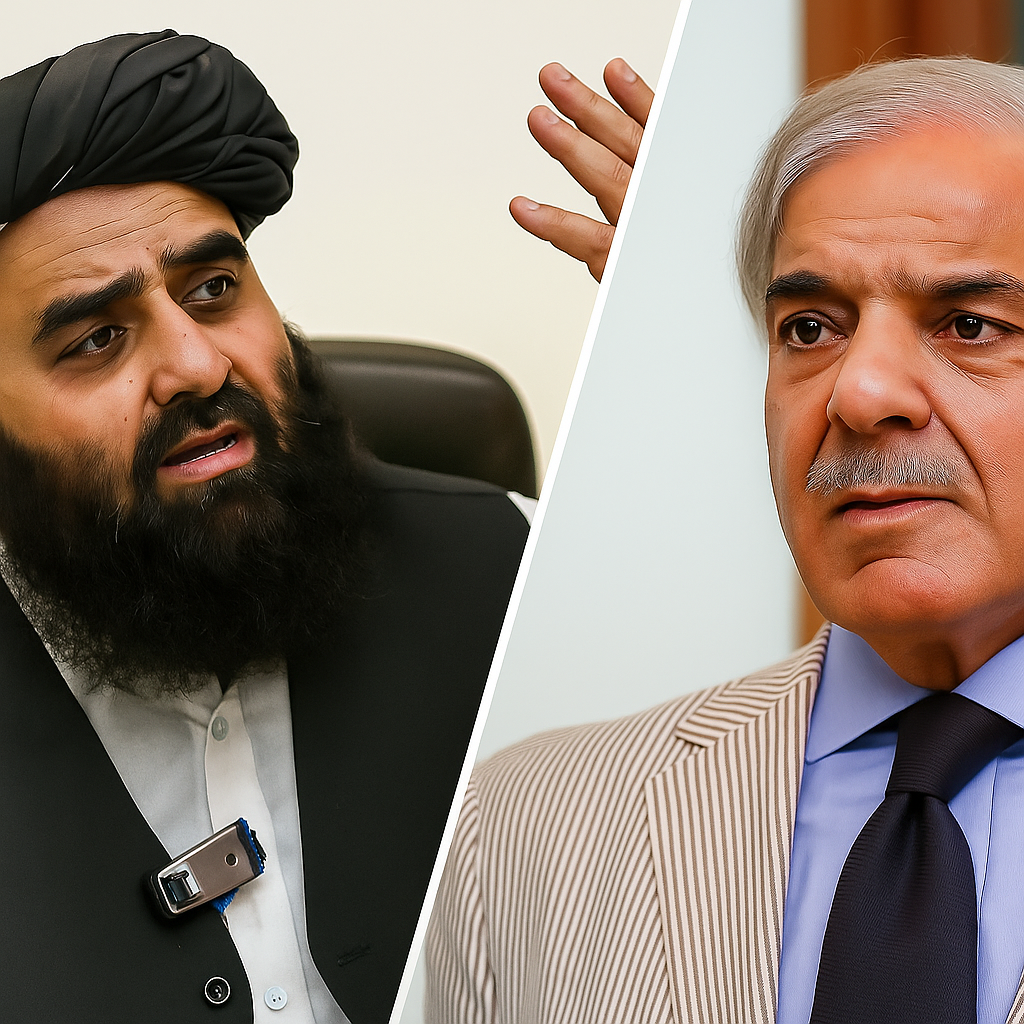
The recent diplomatic meeting in Istanbul ended without an agreement, marking a sharp setback for efforts to lock in peace between Pakistan and Afghanistan. Pakistan’s delegation, conveying deep frustration, declared that after intensive rounds of talks the Afghan side failed to provide the kind of assurances Islamabad expected. At the heart of the breakdown: Pakistan’s insistence on concrete action against militants using Afghan territory to launch attacks, and the Afghan side’s claim of limited control over such actors.
Background
Tensions had been building for months along the Pakistan-Afghanistan frontier. A series of cross-border confrontations and militant attacks had increased pressure on Islamabad to secure stronger guarantees from Kabul. Following a temporary ceasefire, an agreement was struck to move toward a more durable arrangement. Istanbul was meant to be the turning point where the ceasefire was converted into a functional, enforceable mechanism.
What happened in Istanbul
In a three‐day negotiation hosted in a neutral location, both sides presented their demands. Pakistan’s team entered with a clear agenda: the removal or neutralisation of militant bases in Afghan border provinces, robust coordination in intelligence and cross‐border patrols, and robust legal action against groups targeting Pakistan. The Afghan delegation, under strong domestic constraints, responded by acknowledging the issue but emphasised their limited direct control over some of the non-state actors operating in remote border areas.
Despite repeated requests, Islamabad said it did not receive a credible roadmap from Kabul detailing how militant sanctuaries would be dismantled, or how Islamabad’s security concerns would be addressed in practice. Pakistan’s negotiators concluded that the Afghan side’s commitments lacked timelines, verification mechanisms, or tangible guarantees. As a result, Pakistan declared the talks unsuccessful.
Why the talks failed
Several factors combined to derail the process:
- Different expectations: Pakistan sought measurable, immediate action and oversight, while Kabul sought long-term cooperation without specific enforcement mechanics.
- Sovereignty concerns: The Afghan side was wary of allowing Pakistani or international monitors inside its territory, fearing it would undermine its independence or set a precedent for external intrusion.
- Fragmented enforcement capacity: The Afghan government acknowledges it does not exert full control over all armed actors in its territory—particularly in remote tribal or border areas. Pakistan found this unacceptable, given the risk to its internal security.
- Growing mistrust: Years of mutual suspicion mean that even when phrases of cooperation are offered, they are often read as tactical, not strategic. Pakistan doubts whether commitments, once made, will be kept.
- Public escalation: With media and public commentary framing the talks as make-or-break, neither side wished to emerge from negotiations appearing weak. That dynamic brought rigid posturing into the room, reducing flexibility.
Implications of the breakdown
- Security risk for Pakistan: Without a binding agreement, Pakistan’s military faces the possibility of renewed militant attacks and may feel compelled to undertake unilateral operations—raising the risk of escalation into broader conflict.
- Humanitarian and economic fallout: The fragile ceasefire had enabled some border crossings to reopen and trade to resume. Failure at Istanbul means crossings may shut again, trade disrupted and civilian lives on the border once more exposed to violence.
- Regional trade and connectivity: Pakistan and Afghanistan are key parts of broader regional connectivity initiatives. Instability undermines transport corridors, transit trade and investor confidence in the frontier regions.
- Refugee and displacement pressures: Resurgent violence would increase displacement flows from both sides of the border, creating fresh burdens for local administrations and humanitarian services.
- Diplomatic credibility and mediation fatigue: Pakistan’s decision to walk away from the talks raises questions about future mediation. If parties perceive that commitments are hollow, third-party mediators may struggle to bring them back to the table.
What happens next
With Istanbul behind them, both capitals face difficult choices:
- Pakistan may intensify pressure—either by ramping up intelligence operations and unilateral strikes or by resorting to internationalising its security concerns. But that strategy carries the cost of retaliation and higher border instability.
- Afghanistan may attempt to revive the process but would need either to grant more direct oversight mechanisms or to secure guarantees of Pakistani non-interference to build trust.
- Third-party mediators have a starring role: Turkey, Qatar and possibly other regional actors must now decide whether to push for follow-up mechanisms such as verification protocols, coordinated patrols and monitor teams.
- Confidence-building measures may become essential. Even if the big security deal remains out of reach, smaller steps—such as opening or maintaining key border crossings, agreeing on humanitarian corridors, joint border-town convoys, or shared communication hotlines—could help prevent relapse into full-scale conflict.
- Public messaging matters. If either side resorts to aggressive rhetoric or threats of “open war,” the political space for compromise will further shrink, and more moderate elements in each government may lose leverage.
The bigger picture
This breakdown is not just a bilateral matter. It affects the broader South and Central Asian regional order. Stability on the Afghan-Pakistan frontier is linked to the success of regional trade initiatives, transit corridors, and counter-terrorism cooperation. When one link snaps, it ripples across neighbouring states, investor sentiment, and even global strategic calculations.
For Pakistan, this moment reflects the tension between its legitimate security concerns and the limits of diplomatic patience. For Afghanistan’s ruling powers, it is a test of whether they can move from rhetoric to action, and whether the international community will hold them to a higher standard of accountability. In a region where borders are porous and conflicts are layered, half-measure diplomacy can breed relapse.
Conclusion
The failure of the Istanbul talks highlights a critical juncture. Without substantive mechanisms and political will on both sides, the fragile ceasefire may fade into a pause rather than a durable peace. The coming weeks will reveal whether Islamabad and Kabul choose escalation or re-engagement—and whether regional mediators can inject credibility into a process that now looks fractured. The stakes for border communities, for Pakistan’s internal security, and for regional economic flow are high. The question now is whether diplomacy regroups, or conflict deepens.