

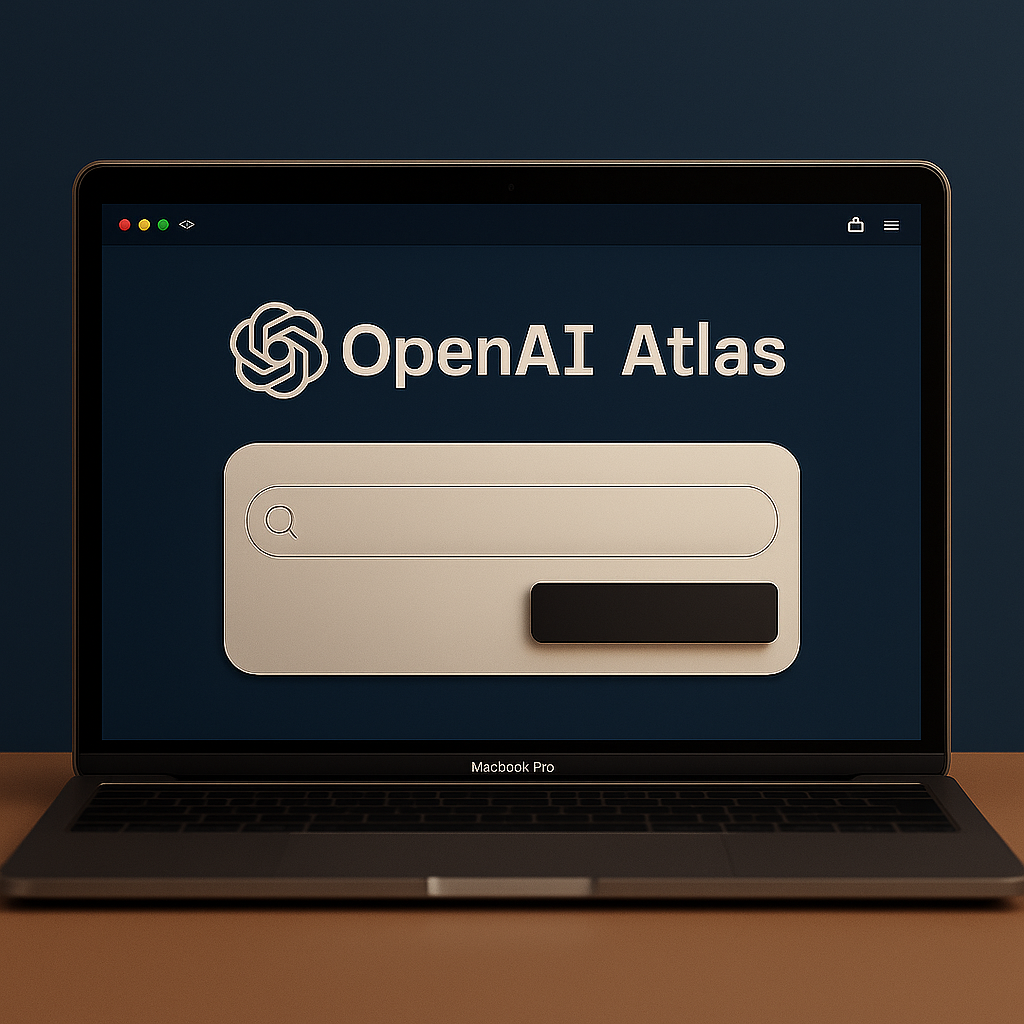
ChatGPT Atlas: OpenAI’s audacious bid to remake the browser — and what it means for Pakistan
OpenAI has stepped out of the “chat box” and straight into the core of how people use the internet. On 21 October 2025 the company unveiled ChatGPT Atlas — a web browser built around ChatGPT that integrates the model into the browsing experience, adds agentic features that can act on your behalf, and promises to change how search, discovery and routine web tasks work. This is not a new tab page or another Chrome skin: Atlas is positioned as a re-imagining of the browser itself — and its debut sends strategic ripples through Google, advertisers, developers and local markets like Pakistan.
What Atlas is — the product in plain terms
Atlas is a Chromium-based browser with ChatGPT built in. It launches globally on macOS first (Free, Plus, Pro and Go users; Business/Edu beta available) and OpenAI says Windows, iOS and Android versions are coming soon. The browser places a ChatGPT pane alongside web pages so the assistant can summarise content, answer follow-ups, extract structured data from pages and even edit text inline. Crucially, Atlas introduces Agent Mode — a capability that lets ChatGPT “click around” and complete multi-step web tasks (research, bookings, shopping lists, form filling) using the user’s browser context and permitted memory. Agent Mode is currently available in preview to paid tiers.
Key features (short):
- Ask ChatGPT sidebar — multi-turn conversational help while you browse (summaries, comparisons, Q&A).
- Agent Mode (Operator) — lets Atlas act on the web to complete tasks for you (available to preview for paid subscribers).
- Cursor Chat — edit text in place on a web page with AI suggestions.
- Browser memories & personalization — Atlas can optionally remember preferences and prior searches to deliver a more tailored experience. By default users are opted out from having browsing data used to train models; memory is a configurable feature.
Why Atlas matters — not just another app, but a structural change
For two decades, web browsing has been architected around tabs and links. Atlas reframes the browser as an active assistant that can interpret pages, synthesize disparate sources, and complete tasks end-to-end. That changes the dynamics in at least three ways:
- Search becomes conversational and multiphase. Instead of a single query returning a ranked list of links, the browser can run follow-ups, refine criteria, and return curated answers or action lists — often without the user ever clicking traditional search results.
- Ad & traffic flows may shift. If Atlas surfaces synthesized answers or completes transactions through agent actions, the classic funnel (search → click → publisher → ad view) could be disrupted — with major implications for publishers and advertising revenues tied to SERP placement. Analysts already flagged the risk to Google’s search ad franchise after Atlas’ announcement.
- New UX patterns for tasks. Features such as in-page editing, structured extraction and agentic shopping change how productivity, e-commerce and content creation workflows operate — they’re faster but also more reliant on the assistant’s model and data access.
The competitive landscape — Google, Perplexity, others, and why this is a fight
Google’s Chrome + Search juggernaut has been the default path to the web; Atlas is the most direct challenge so far from an AI company. Google is not idle — it has its own Gemini-powered enhancements for Chrome — but OpenAI’s approach is different: a browser developed with a first-class assistant built to act and remember. Startups and other AI-first browsers (Perplexity’s Comet, AI features in Opera and Edge) already blurred the edges; Atlas raises the stakes because of ChatGPT’s entrenched user base and OpenAI’s developer reach. Markets reacted: media coverage noted Alphabet’s stock volatility after Atlas’ debut, a sign investors see meaningful disruption risk.
Privacy, safety and the “agentic” question — real tradeoffs
OpenAI highlights control: Atlas users are opted out by default from having browsing data used for model training and can toggle browser memories. At the same time, Agent Mode requires elevated permissions (it uses the browser to take actions), which introduces new attack surfaces: malicious or poorly-guarded sites could be used to trick an agent, and automation must be carefully sandboxed. Security researchers and consumer advocates will watch how OpenAI handles permission granularity, transparency (how agents explain actions) and safeguards against data exposure. The legal and regulatory picture — from EU AI Act implications to local data-protection rules — will also shape rollout in markets like Pakistan.
What Atlas means for Pakistan — practical implications and timelines
Availability & devices. Atlas is available on macOS globally today; Windows, Android and iOS are “coming soon.” Given the device mix in Pakistan (large Android user base, growing Windows laptop market), Atlas’ local impact will hinge on how quickly non-macOS clients arrive and how well the browser handles local languages and connectivity conditions.
For digital marketers & publishers. Atlas may change discovery signals. If users increasingly rely on the assistant’s summaries, the old SEO game (rankings, featured snippets, backlink volume) will have to be supplemented with AI-friendly content: structured, high-quality answers, clear metadata, and content that agents can cite and trust. Pakistani brands should begin auditing content for clarity, accuracy and structured schemas (JSON-LD, FAQs, product specs) to remain visible to AI agents that prefer concise, verifiable data.
For e-commerce & retailers. Agents that can research, compare and even execute a checkout create new frictionless buying paths — but they also raise integration needs (APIs, better product data feeds, standardized checkout flows). Local e-tailers and marketplaces should prioritize clean product metadata and streamline payment/checkout safety to avoid friction when agents attempt to complete purchases.
For developers & start-ups. Atlas exposes a new platform for integrations (extensions, agent hooks, developer APIs). Pakistani SaaS and app makers can explore early integrations — for example, embedding product catalogues, booking APIs, or support flows that an Atlas agent can call — to capture agent-driven demand. Timing matters: first movers who make their services “agent-friendly” can benefit.
Risks and open questions — what to watch next
- Monetization: OpenAI hasn’t published a clear ad or search monetization plan for Atlas; the economics of browser-level answers vs search ads remain unsettled. If Atlas prioritizes its own commerce funnels, publishers may lose revenue.
- Localisation & language support: Urdu and regional languages are crucial for Pakistan. Atlas’ utility will grow if it supports multi-lingual summarization, entity linking to local sources, and localized agent actions (e.g., Pakistani payment gateways).
- Regulatory scrutiny: Automated web agents raise questions about consent, data export, and transparency — particularly where personal data crosses borders. Regulators in Pakistan and abroad may ask for clear disclosures and opt-ins.
- Safety of agents: How will Atlas prevent agents from executing harmful actions (unauthorised purchases, leaking credentials)? Sandbox policies, permission prompts and human-in-the-loop controls will be essential.
How Pakistanis can try Atlas today — and how to prepare
- Try the macOS build (if you have a Mac): download from OpenAI’s Atlas page and experiment with the Ask ChatGPT sidebar and cursor chat. Note agent mode is gated to paid preview.
- Audit your content: make FAQs, structured product pages, clear pricing and shipping details — data that an agent can scrape and present.
- Prepare APIs & checkout flows: standardised product feeds, robust payment confirmations and anti-fraud measures will make you agent-friendly.
- Monitor analytics: track referral changes and engagement patterns — if agents reduce clicks, publishers must measure useful metrics (time-to-task completion, conversions via agent referrals).
- Watch privacy defaults: if you use Atlas as a user or deploy agent hooks, review privacy controls, memory toggles and which data you allow the agent to store.
Final verdict — a structural nudge, not an instant replacement
Atlas is a strategic and visible attempt by OpenAI to take control of a critical layer of the internet experience. It’s not just a shiny UI; it’s a platform bet — that people will prefer an assistant-centric path for discovery and tasks. The transition will be gradual and contested: Google will respond, incumbents will adapt, and regulators will weigh in. For Pakistan, the key is preparation: content clarity, developer readiness and policy attention. Those who adapt early — publishers, e-commerce platforms, and developers — may capture a disproportionate share of the “agent economy” Atlas aims to accelerate.