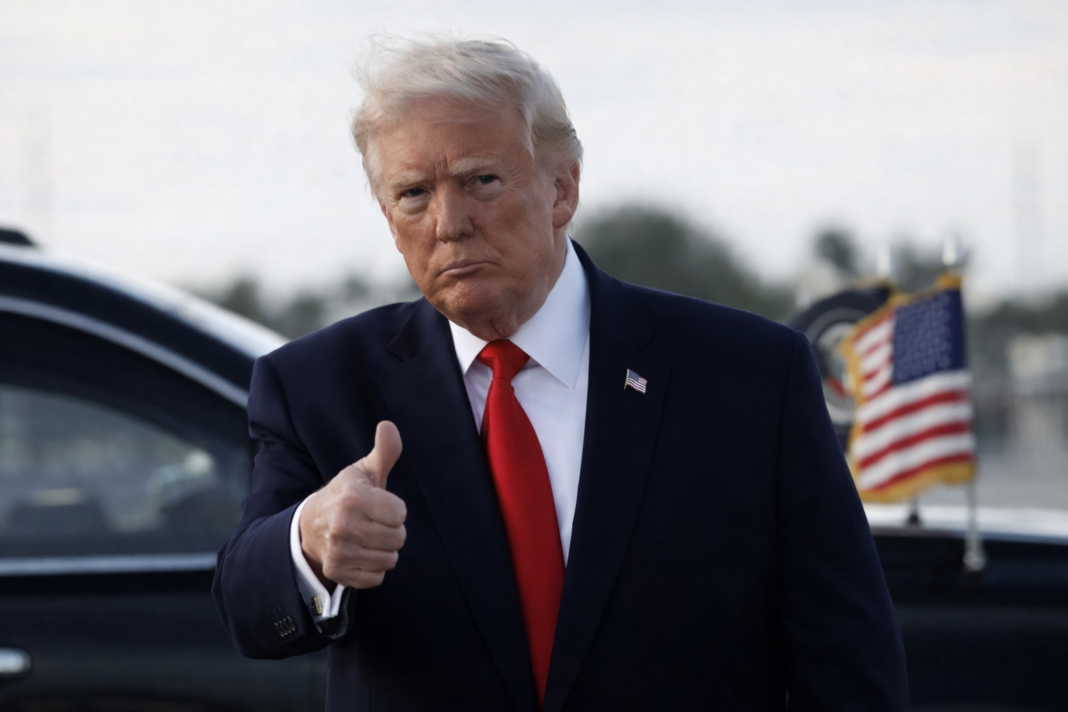

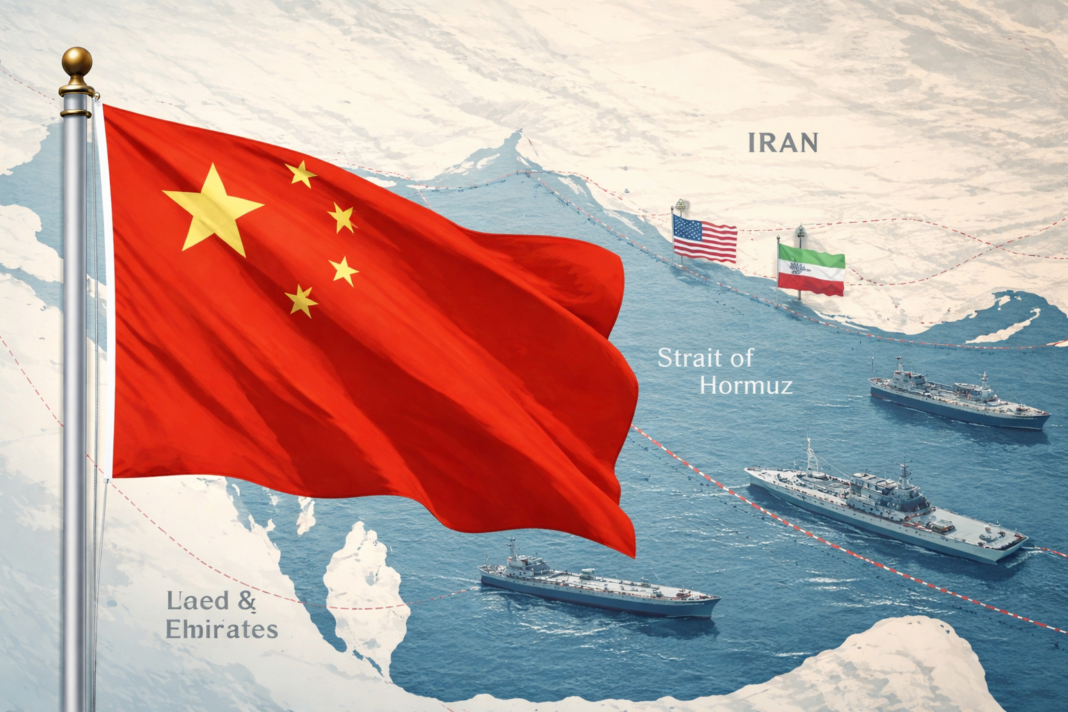
Global reactions have intensified after U.S. President Donald Trump announced a blockade of the Strait of Hormuz, with China openly opposing the move and calling it a step that could further destabilize the region.
In a statement from Beijing, Chinese Defense Minister Admiral Dong Jun said China maintains important trade and energy agreements with Iran, and those agreements will be fully respected. He emphasized that Beijing will take all necessary measures to protect its strategic and economic interests.
China’s Clear Position
Chinese officials stated that the Strait of Hormuz remains under Iranian control and continues to be open for Chinese shipping. Admiral Dong Jun confirmed that Chinese vessels are passing through the route as normal, signaling that Beijing is unwilling to recognize U.S. pressure or restrictions in the waterway.
The statement comes at a time when Washington has increased naval activity in Gulf waters as part of its pressure campaign on Iran.
Possible Impact on Global Trade
The Strait of Hormuz is one of the world’s most critical maritime chokepoints, carrying a major share of global oil shipments. Analysts warn that any disruption in the route could affect not only the Middle East but also international oil markets, shipping industries, and global energy prices.
Rising Diplomatic Strain
China’s open criticism highlights widening divisions among major world powers over Iran-related tensions. Observers say the latest developments could deepen friction between Washington and Beijing, especially as both countries are already navigating trade disputes and broader geopolitical rivalry.