

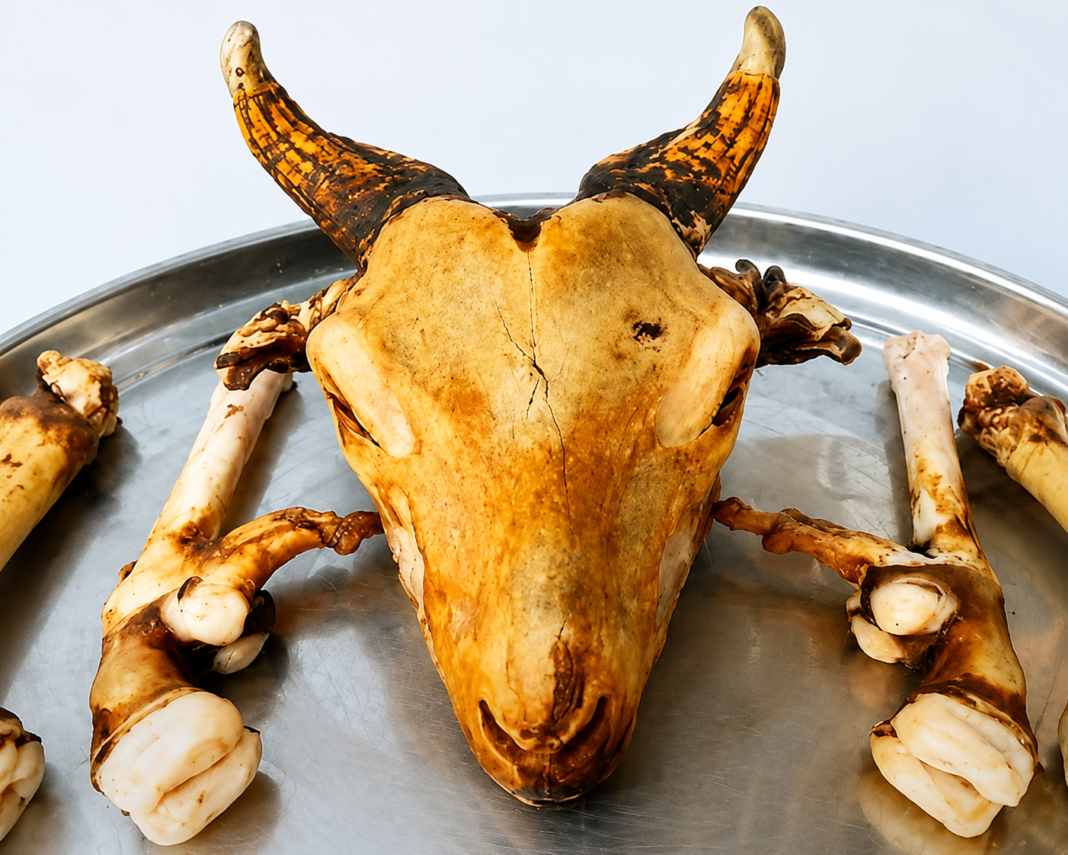
The Punjab government has announced a series of restrictions ahead of Eid-ul-Azha, including a ban on the public burning and roasting of “siri paye” across the province.
The decision has been taken under Section 144, with authorities citing health, sanitation, and environmental concerns during the Eid holidays. The restrictions will remain in effect from May 27 to June 2.
According to officials, the public roasting of siri paye often creates excessive smoke, unpleasant odors, and hygiene issues in residential areas. Authorities say the temporary ban is intended to help maintain cleanliness and reduce pollution levels during one of the busiest festive periods of the year.
In addition to the siri paye restriction, the government has also prohibited dumping animal waste into drains, canals, and public waterways. Officials warned that improper disposal of waste can block drainage systems, contaminate water sources, and create serious sanitation problems.
The administration has further banned swimming in rivers and canals during the Eid holidays as a safety measure. Every year, authorities report several accidents during Eid vacations due to overcrowding near water bodies.
Another key restriction includes a crackdown on illegal cattle markets operating without official approval. The government says only designated and authorized cattle markets will be allowed to function during the Eid season.
Officials have urged citizens to cooperate with local authorities and follow cleanliness guidelines to ensure a safer and healthier environment during Eid-ul-Azha celebrations.
The measures are part of wider efforts by the Punjab administration to manage public spaces more effectively during the holiday rush while minimizing environmental and health risks.
While some citizens may find the restrictions unusual, many have welcomed the focus on public hygiene, organized waste management, and safety during the festive period.
Disclaimer: This article is for informational purposes only and is based on publicly available reports.