

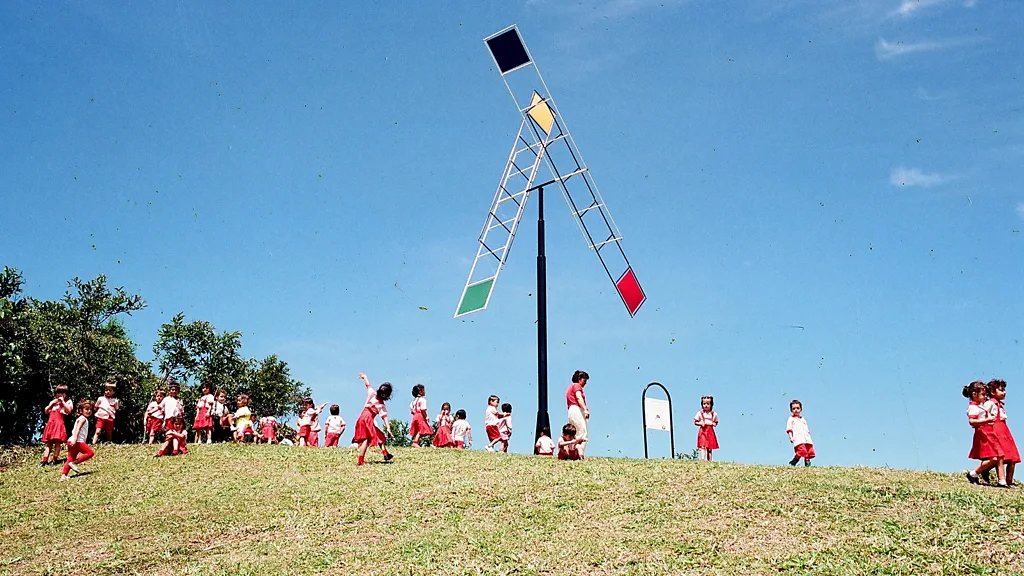
In a remote stretch of Colombia’s vast plains, an ambitious idea from the 1960s quietly took root—one that continues to inspire how we think about sustainability today.
Welcome to Gaviotas, a community that set out to prove that humans could live in harmony with nature—even in one of the harshest environments on Earth.
A Radical Idea Born in the 1960s
The 1960s were a time of bold experimentation. Around the world, thinkers and innovators were imagining better ways to live—what many called a “utopia,” a near-perfect society built on equality, innovation, and balance with nature.
Gaviotas emerged from this wave of optimism. Founded in Colombia’s Los Llanos region, an area once considered nearly uninhabitable, the project aimed to rethink everything—from energy and water to community living.
Building Sustainability From Scratch
What makes Gaviotas remarkable is not just its vision—but its execution.
Over decades, residents developed simple yet powerful technologies tailored to their environment:
- Solar water heaters designed for cloudy tropical climates
- Hand-powered water pumps (including see-saw designs for children)
- Biofuel systems using locally grown plants
These innovations weren’t locked behind patents—they were shared openly, allowing others to replicate them across Colombia and beyond.
Turning Barren Land Into a Forest
Perhaps the most striking transformation is ecological.
What was once dry, infertile land has been turned into a thriving man-made forest spanning thousands of acres. Millions of trees were planted, creating a new ecosystem that supports biodiversity and helps regulate the local climate.
Today, the community produces a significant portion of its own food, showing how sustainable agriculture can flourish even in unlikely places.
Resilience Through Challenges
Gaviotas didn’t grow in isolation from the world’s problems. Colombia has faced decades of political instability and conflict, yet the community endured.
Its strength lies in adaptability—rather than rigid rules, Gaviotas evolved with changing circumstances. While some facilities like schools and hospitals have closed over time, the spirit of learning and collaboration continues informally.
Can This Model Be Replicated?
That’s the big question.
Experts say Gaviotas’ success comes from its deep connection to local conditions—something that can’t easily be copied elsewhere. Trying to standardize its methods could actually weaken what makes it work.
Still, its philosophy—simple tech, community-driven solutions, and respect for nature—offers valuable lessons for a world grappling with climate change.
Why It Matters Today
Decades before sustainability became a global buzzword, Gaviotas was already living it.
At a time when cities worldwide are rethinking energy, food systems, and environmental impact, this small Colombian experiment reminds us that big change doesn’t always come from big systems—it can start with a small, determined community.