
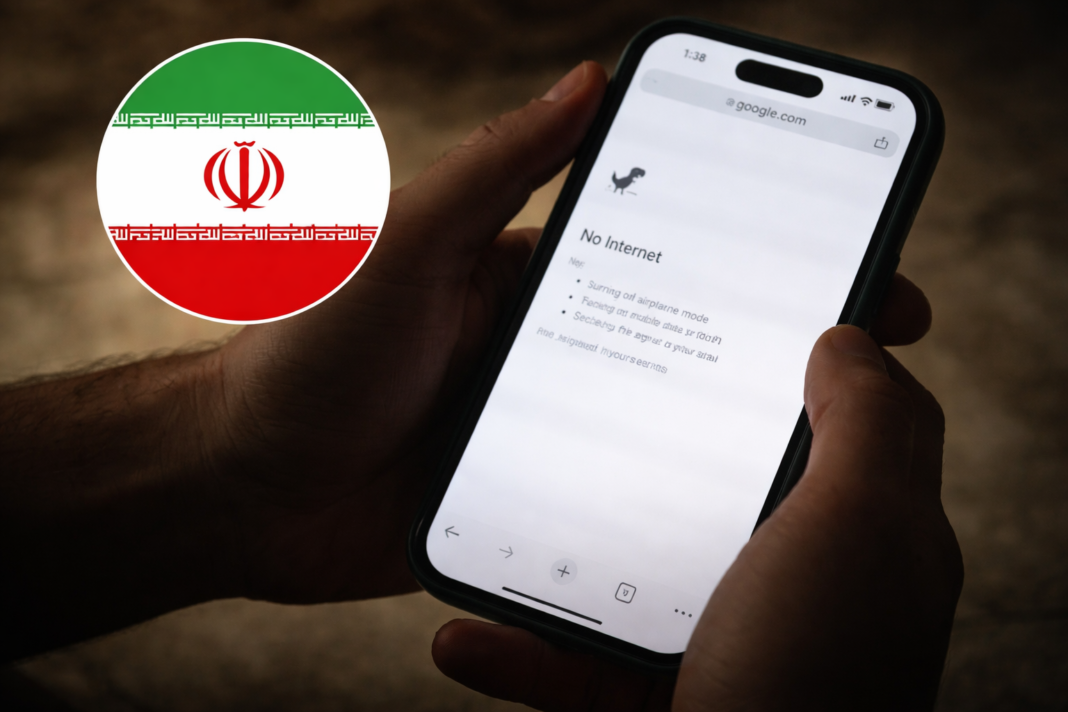
In an increasingly digital world, staying connected is often taken for granted. But in Iran, millions are experiencing the opposite reality—living through what has now become the longest nationwide internet shutdown ever recorded.
A Historic (and Concerning) Milestone
According to global internet monitor NetBlocks, Iran’s blackout has stretched into its 37th consecutive day—equivalent to more than 864 hours of disrupted connectivity. This makes it the most prolonged nationwide internet shutdown in modern history, surpassing all previous cases in both scale and severity.
Unlike localized or temporary disruptions seen in other parts of the world, this shutdown is nearly total—reducing international internet access to a fraction of normal levels.
What’s Happening on the Ground?
While global connectivity remains largely cut off, some limited access to domestic networks still exists. This means users inside Iran can access certain local websites and services, but are effectively isolated from the global internet.
For many Iranians, this digital silence has been deeply unsettling. Reports suggest people are turning to VPNs and alternative tools in rare moments of connectivity, often at personal risk.
Why It Matters
This isn’t just about social media or messaging apps—it’s about access to information, communication with loved ones, and economic activity.
Experts say such prolonged blackouts:
- Disrupt businesses and online livelihoods
- Limit access to real-time news and global developments
- Isolate citizens from the outside world
In a country where millions rely on digital tools for work and communication, the impact is both personal and nationwide.
A Global First
While other regions have faced internet disruptions during conflicts or unrest, none have reached this level of sustained, nationwide shutdown. Even in past crises, connectivity was typically restored within weeks—not stretched beyond a month at this scale.
Looking Ahead
As the blackout continues, concerns are growing among digital rights groups and global observers. The situation raises broader questions about internet freedom, access to information, and the role of connectivity in modern societies.
For now, millions in Iran remain offline—waiting for their digital world to reconnect.