
One of Pakistan’s most talked-about celebrity legal battles has reached a major turning point.
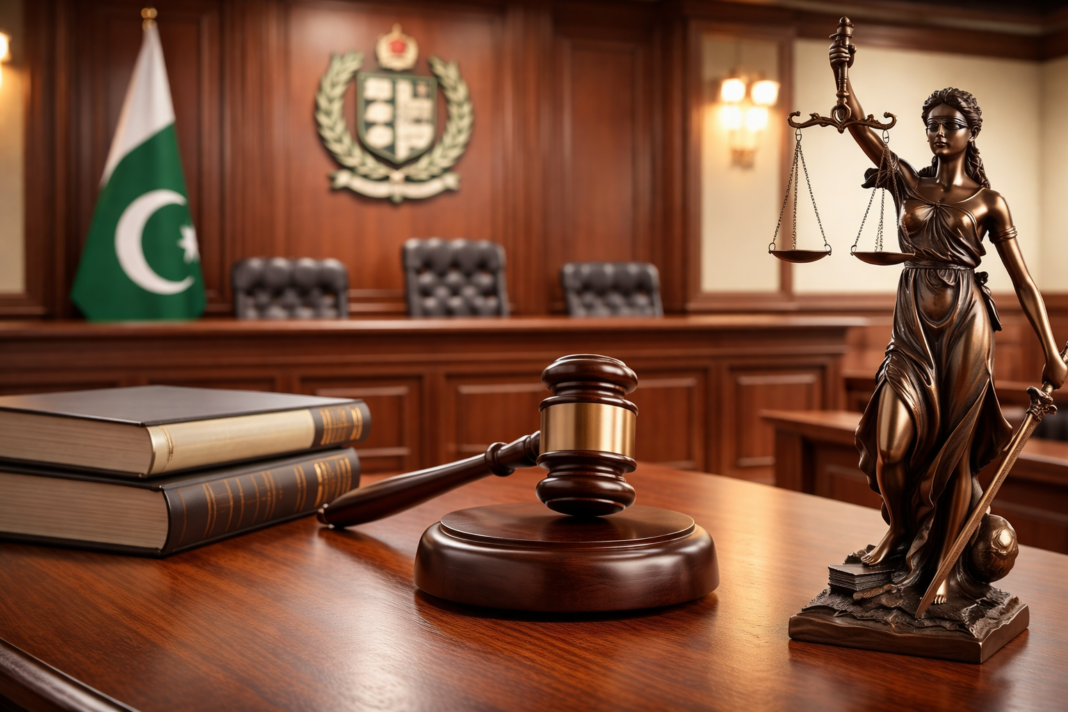
A court has ordered singer and actor Meesha Shafi to pay Rs5 million in damages to fellow artist Ali Zafar, marking a significant development in a case that has been under public spotlight for years.
📌 What Happened?
The case stems from a long-running legal dispute between the two artists, which began after allegations made by Meesha Shafi against Ali Zafar several years ago.
The court, in its latest ruling, concluded that the claims could not be substantiated in the defamation proceedings—leading to the damages awarded in Ali Zafar’s favor.
⚖️ A Case That Sparked Nationwide Conversation
This wasn’t just another celebrity dispute—it became a defining moment in Pakistan’s public discourse around workplace conduct, accountability, and the #MeToo movement.
- The case triggered widespread debate across social media and mainstream platforms
- It highlighted the challenges of proving allegations in court
- It also opened conversations about legal protections and due process
While the ruling settles the defamation aspect legally, the broader societal conversations it sparked continue to evolve.
💬 What This Means Going Forward
For many, the verdict reinforces the importance of evidence-based legal proceedings in defamation cases. At the same time, it reflects how complex and sensitive such matters can be—especially when they unfold in the public eye.
Both artists remain prominent figures in Pakistan’s entertainment industry, and the case will likely remain a reference point in discussions around law, media, and personal rights.
The court’s decision brings a legal conclusion to a high-profile chapter involving Meesha Shafi and Ali Zafar. But beyond the courtroom, it leaves behind an ongoing conversation about justice, responsibility, and the power of public voice.